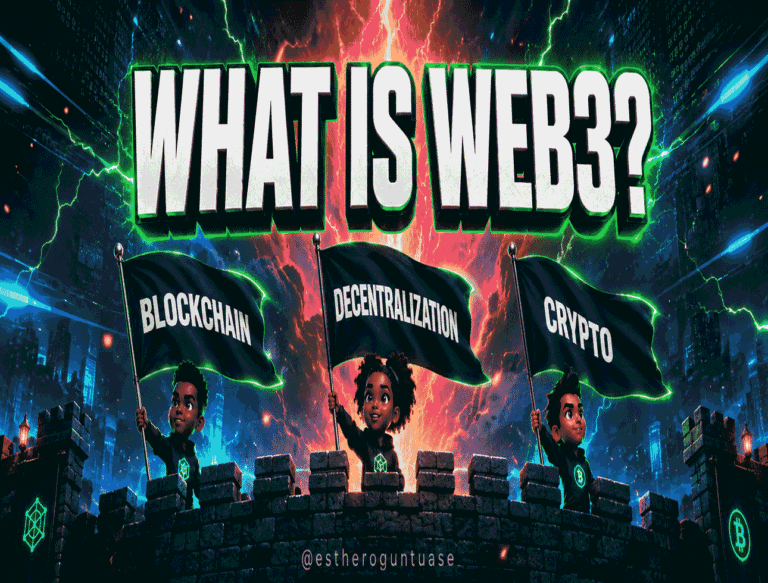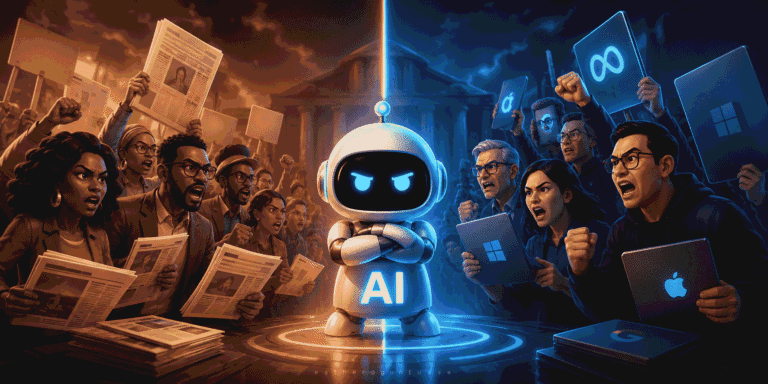

The technology powering most of the things we use today, like apps, platforms, etc, all have one thing in common. They are controlled by big tech, often with no transparency or data privacy. You have zero real control over what happens to your information. It’s a lot like renting an apartment. You follow their rules until the landlord decides it’s over. This places a clear distinction between how Web2 and Web3 operate. Unlike Web2, blockchain technology, a system that is trustless, permissionless, decentralized, and secure powers web3. Blockchain serves as the backbone of the entire Web3 ecosystem, helping people own what they create without the need for a third party. If you’ve ever wondered how blockchain works, you’re in the right place. Let’s dive in and break it down simply.
What is Blockchain?
Blockchain is just a super-secure, shared digital record book that nobody, not even a big company, gets to control alone. Everyone has access to this record book without centralized control. It’s like a public notebook that everyone in town can look at. Whenever someone writes something new, the whole group checks it together. Once they all agree to it, they add it, and no one can go back to secretly erase or change it. Each new page (called a block) that is added gets chained to the previous ones, creating an unbreakable history. That’s basically how blockchain works.
Unlike Web2, where your bank, social media, or search engines hold all your data in their private servers and can change their guidelines whenever they want, blockchain spreads copies of the same record across thousands of computers worldwide. This makes it decentralized, super transparent (you can usually see the full history), and almost impossible to tamper with once something is recorded. This changes everything, letting you truly own your digital creation; your photos, money, etc, without the need for outside trust or validation. For example, instead of hoping X (formerly Twitter) won’t suspend your account and take away your followers, you can use blockchain-based platforms where you control your identity and earnings. For everyday people, this is a path to freedom, fewer surprise fees, less fear of loss, and real ownership in a world that’s tired of Big Tech calling all the shots.
How Does Blockchain Work?
Let’s walk through how Web3 blockchain actually works. So you want to send money to a friend using blockchain technology. Here’s the workflow:
First, you create a transaction (whether through your wallet or a crypto exchange), which is basically like a digital note saying, “I’m sending $50 to Sarah.” This transaction gets broadcast to a huge network of computers around the world. These computers (called nodes) check if you actually have the money and if everything looks legitimate. Once approved, your transaction joins a group of other recent ones to form a new “block.” Then, the new block gets linked to the previous block, like building blocks clicking together. This creates the unbreakable chain. To make sure everyone agrees on what the official record looks like, the network uses a process called consensus, like a group vote so no single person can cheat the system. Once added, that information is impossible to change. Blockchain transactions are effectively irreversible once they are confirmed and recorded on the distributed ledger.
Web2 Tech VS Web3 Tech
In everyday Web2 systems like regular banking apps, one company controls the entire record in a private database. They can make changes or face hacks that affect everyone. However, though not immune, on Web3 blockchain, the power is spread out, making it much harder to manipulate. For example, Bitcoin is like digital gold. It uses blockchain mainly for secure money transfers. Ethereum, on the other hand, powers many Web3 apps and lets people run small programs (called smart contracts) that automatically carry out agreements.
Now, things have gotten even better. Many blockchains now use modular designs that make transactions faster and cheaper; like Solana, BNB Chain, and a host of others support fast transaction speeds and low-cost smart contract execution. Cross-chain bridges allow you to easily move things between different blockchains. This step-by-step magic is what makes blockchain the reliable foundation for the whole Web3 world.
How is Blockchain Used in Web3 Today?
Blockchain serves as the core infrastructure we see today in Web3. Underneath the surface, it drives many of the tools and experiences that are becoming more common in 2026. For example, DeFi (decentralized finance) is how you get to handle banking tasks like saving or borrowing directly on the blockchain, without the need for a traditional bank. In the old Web2 system, your bank controls everything. Here, the rules are open and automatic. NFTs allow creators to truly own and sell their digital art or content. So instead of uploading to social media where the platform owns the rights, you keep full control and can earn directly from buyers. Tokenization is another big one, as it turns real-world items like property or collectibles into digital shares on the blockchain, so regular people can own small pieces of bigger assets.
Using blockchain tech for starters is pretty much easier than most people think. You just have to avoid pressuring yourself.
- Try a testnet wallet first (a safe practice wallet that uses fake money for learning).
- Play around with one simple dApp (a decentralized app), like a basic marketplace or game, to see how it feels in real time.
- Check out DeFi apps like Decentralized exchanges (DEXs), etc to trade, lend, or earn interest.
Many beginners believe blockchain is only for tech experts or too risky. The truth is, in 2026 it has become much more beginner-friendly with simpler tools and better guidance available.
Wrapping It Up
At the end of the day, blockchain is simply a secure structure that encourages a fairer internet. With development in infrastructure and gradual mainstream adoption, the future is looking bright. To become a part of this wave, you don’t need to become an expert overnight. Just take one small step this week, maybe set up that practice wallet or read one more simple article on this platform. You might be surprised how quickly it clicks. Once you experience even a tiny bit of true ownership online, it’s hard to go back to the old way. The future feels a lot more exciting when you realize you can actually be part of it.
About the Author