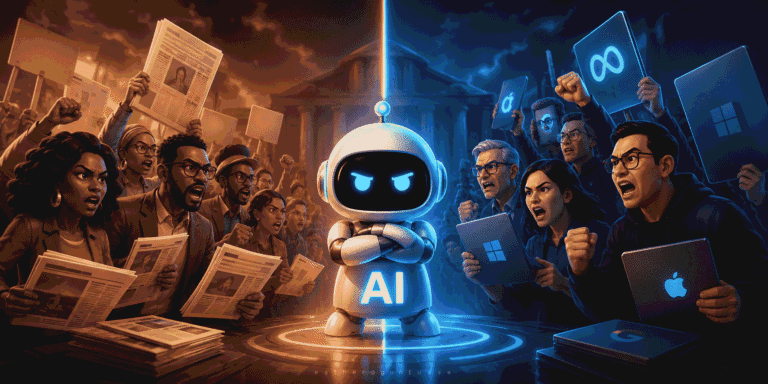

A lot of people believe they own everything they create online: their photos, videos, posts, and ideas, but do they really? Every day you go online to share your thoughts, yet beneath the surface, it all belongs to Big Tech. They don’t just own your content. They control your data, privacy, how you express yourself, and even what you’re allowed to share. You’re often forced to follow their rules, even when those rules feel unfair. It wasn’t always like this. The early internet was mostly read-only, static pages you could only consume. Then in the early 2000s, the web became interactive, and social media exploded. But with that came a big downside of widespread censorship and platform control. That’s where Web 3.0 entered the picture as an advanced technology designed to give back freedom, true ownership, transparency, and privacy without central control. Over the past few years, it has grown rapidly and become far more accessible. This guide on Web3 for Beginners in 2026 breaks down everything you need to know and why you can’t afford to sit on the sidelines anymore.
What is Web3? How Does it Change the Internet?
Recall the birth of Wikipedia in 2001. The original project was called Nupedia, highly controlled by a group of editors and academic reviewers. This made the production of great ideas so slow and gated. Realizing the frustration with this top-down, centralized approach, the founders took a necessary approach called Wikipedia. This handed control to thousands of ordinary volunteers from around the world, making it a community venture rather than keeping control in a few hands. In the same vein, Web3 has advanced the internet, allowing it to be run by communities rather than corporations. People who use a platform can help govern it, earn rewards for participating, take part in decision-making, and share in its success, often through tokens or voting rights. It’s the tech version of “by the people, for the people.
Now, Web3 in 2026 has gone mainstream way more than it was even five years ago. People all over the world, even governments, have started adopting different aspects of this advanced system powered by blockchain technology. You’ll find it in banks, real estate, social networking, and many other industries. And is Web3 for tech bros only? Absolutely not. The “read-write-own” web isn’t just a thing for techies anymore. Everyone can now become part of this new environment. You get to truly own your creations, earn from them directly, keep your data private without third parties getting in the middle, and stay in control without any central power butting in.
What’s the Difference Between Web3 Vs Crypto?
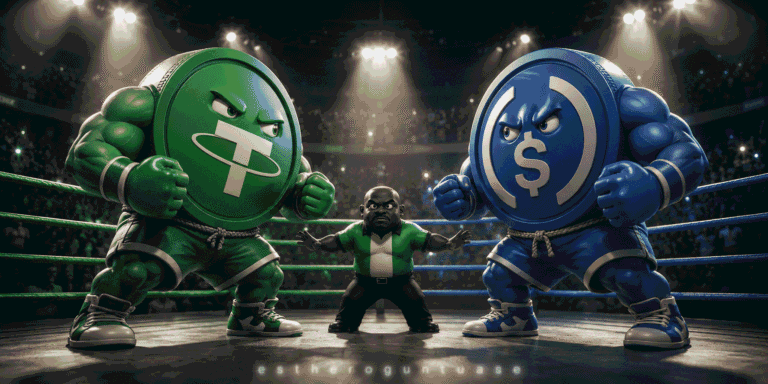
One thing many beginners in Web3 often get confused about is thinking that crypto is Web3. They’re actually very different. Cryptocurrency (or crypto for short) is basically the digital money used inside the Web3 world. Just like the Naira is Nigeria’s official fiat currency, crypto acts as digital cash for transactions on the blockchain, the technology that actually powers Web3. A cryptocurrency can be called a coin or a token depending on which blockchain it runs on. Popular examples include Bitcoin (BTC), Ethereum (ETH), Solana (SOL), and USDT (Tether).
What’s the Difference Between Web2 VS Web3?
The internet most of us grew up using: social media, user-generated content, and centralized apps is Web2. The platform owns your posts, photos, and videos. They can remove your content, change the rules anytime, and use your data to make money while you get scraps. For example, many creators on YouTube or X spend years building an audience, only to wake up one day with demonetized videos or a banned account because of shifting guidelines. Web3 works the opposite way. Powered by blockchain technology, it introduces the read-write-own model where you truly own your data and digital assets. Take a photographer as an example. In Web2, they upload work to Instagram, hoping the algorithm favors them while the platform profits from their reach. In Web3, the same photographer can mint their images as NFTs or post on decentralized platforms where they keep full ownership and get paid automatically whenever someone buys or uses their work, without any middleman taking a huge cut.
Another example is finance and real estate. In Web2, your money sits in a central bank that controls access and can even freeze your accounts. In 2026, Web3 lets regular people use decentralized finance (DeFi) apps where they fully control their own funds on the blockchain. Real estate companies are also tokenizing properties, allowing everyday people to own fractions of buildings and earn passive income, something almost impossible under traditional Web2 systems. In short, Web2 makes you rent your online life from corporations. Web3 helps you own it.
How You Can Get Started As A Beginner in Web3 in 2026
At this point, Web3 might feel a bit overwhelming or even futuristic, like something out of a sci-fi movie. But the good news is that it’s not some far-off idea. It’s happening right now, and getting more practical and user-friendly every day. So, let’s keep things low-pressure. Here are a few simple, beginner-friendly steps you can take to start getting familiar with Web3:
- Create an account on a reputable cryptocurrency exchange like Binance, Bybit, or OKX. Think of it as opening your first digital bank account.
- Learn the basics of cryptocurrency and how to make safe transactions so you don’t lose money.
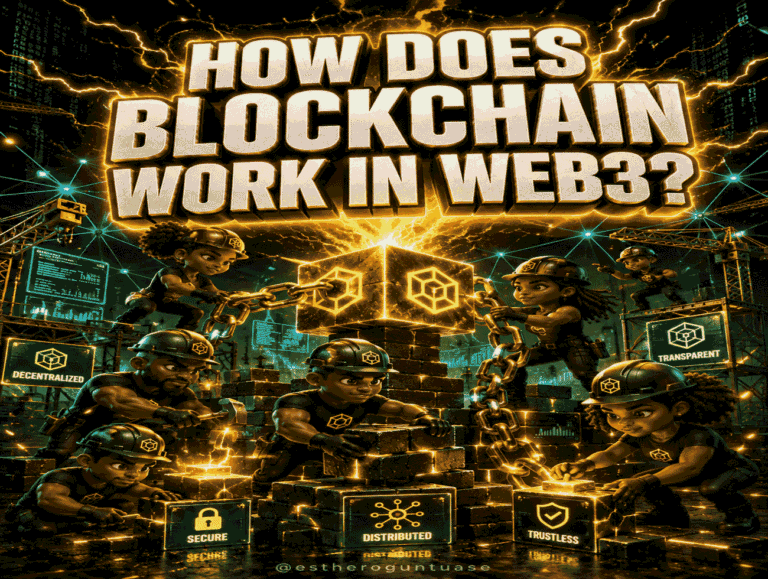
- Build a strong foundation by understanding key concepts like blockchains (the secure digital ledger that powers everything) and dApps (decentralized apps that run without a central company controlling them).
- Explore Decentralized Finance (DeFi), which is basically banking without banks. Using blockchain technology in Web3, you can lend, borrow, or save money directly, often with better control and rates.
- Get a Web3 wallet and buy or send your first small amount of crypto. This is how you can get the real hands-on feeling and experience.
- Protect yourself by avoiding common pitfalls, like never sharing your seed phrase (your wallet’s master password), and steering clear of buying coins purely based on hype or FOMO (fear of missing out).
Don’t worry about doing everything perfectly or all at once. Just start small, stay curious, learn daily, and take it one step at a time. You’ll quickly realize that Web3 isn’t as complicated as it first seems, and the sense of real ownership it gives you is honestly pretty exciting once you experience it.
About the Author